Is It Okay for Non-Indians to Wear Indian Clothing to an Indian Wedding?
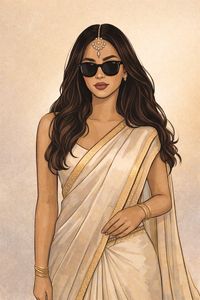
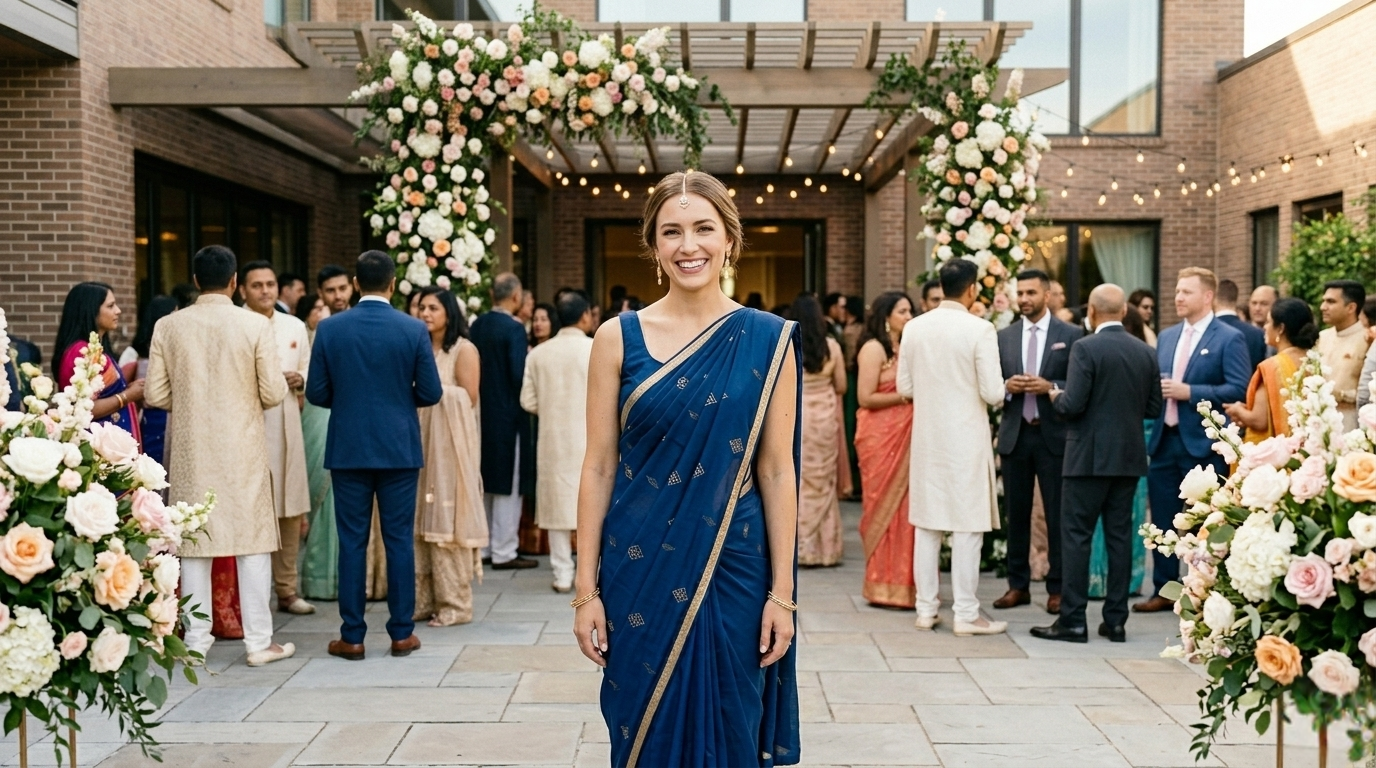
In many cases, yes. Non-Indian guests are often welcome to wear Indian clothing to an Indian wedding, especially when the outfit is chosen thoughtfully and respectfully. Indian weddings are known for beautiful traditional fashion, and many couples are happy to see guests embrace the spirit of the celebration.
If you are unsure, it is always fine to ask the couple or someone close to them. But in general, wearing a saree, lehenga, salwar suit, or Indo-Western outfit is usually seen as a thoughtful and festive choice when styled appropriately.
Best Outfit Options for Non-Indian Guests
The best outfit depends on the event, your comfort level, and how traditional or modern you want your look to feel. A few of the most approachable options are sarees, lehengas, and Indo-Western outfits.
Ready-to-Wear Sarees
A beautiful option if you want the elegance of a saree with a simpler draping experience. This is often one of the easiest choices for first-time guests.
Lehengas
A structured, festive option that can feel easier to wear than a traditional draped outfit. Great for guests who want a classic wedding look.
Indo-Western
A strong option if you want something modern, elegant, and comfortable for receptions, sangeets, and contemporary celebrations.
If you are deciding between silhouettes, read Saree vs Lehenga for a closer comparison.
What to Wear by Event
Wedding Ceremony
For the ceremony, guests usually dress elegantly and in a way that feels respectful and festive. Sarees, lehengas, and polished Indian or Indo-Western outfits can all work beautifully.
Sangeet
A sangeet is often vibrant, high-energy, and dance-filled, so comfort matters. Many guests choose lighter sarees, lehengas, or Indo-Western outfits that feel easier to move in. For more help, visit What to Wear to a Sangeet.
Reception
Receptions can feel glamorous and fashion-forward, so this is often a great place for a statement saree, an elegant lehenga, or a modern Indo-Western outfit.
Pre-Wedding Events
For mehndi events or more casual celebrations, guests can often wear something colorful and festive without choosing the most formal look in their wardrobe.
Best Choices for First-Time Guests
If this is your first Indian wedding, the easiest place to start is usually with an outfit that feels elegant but manageable. For many non-Indian guests, a ready-to-wear saree offers a beautiful balance of tradition and ease.
An Indo-Western outfit can also be a very strong choice if you want something modern and celebration-ready without worrying about draping. The best option is the one that makes you feel comfortable, confident, and appropriately dressed for the event.
What Colors Should Non-Indian Guests Wear?
Indian weddings are colorful celebrations, so guests often wear bright, festive, and elegant shades. Good choices can include pink, emerald, royal blue, coral, maroon, lavender, and gold-toned accents.
In some cases, guests may avoid wearing bright red because it can be associated with bridal attire, but traditions can vary by family and region. If you want more guidance, read Indian Wedding Guest Colors.
What to Avoid
Try to avoid outfits that feel too casual, too plain, or out of step with the energy of the celebration. Indian weddings are often more colorful and dressed up than many American weddings, so it usually makes sense to lean more festive rather than more understated.
It also helps to think about comfort. Many Indian weddings include long events, multiple ceremonies, and lots of movement, so choose something you can enjoy wearing for several hours.
How to Feel Confident in Your Outfit
The best outfit is one that respects the occasion and helps you feel comfortable. You do not need to overcomplicate it. Choose a silhouette that feels manageable, select a festive color, and focus on looking polished and celebration-ready.
If you are shopping in the USA and want something elegant that feels easier to wear, Swift Saree collections are designed to make Indian wedding dressing more approachable.